
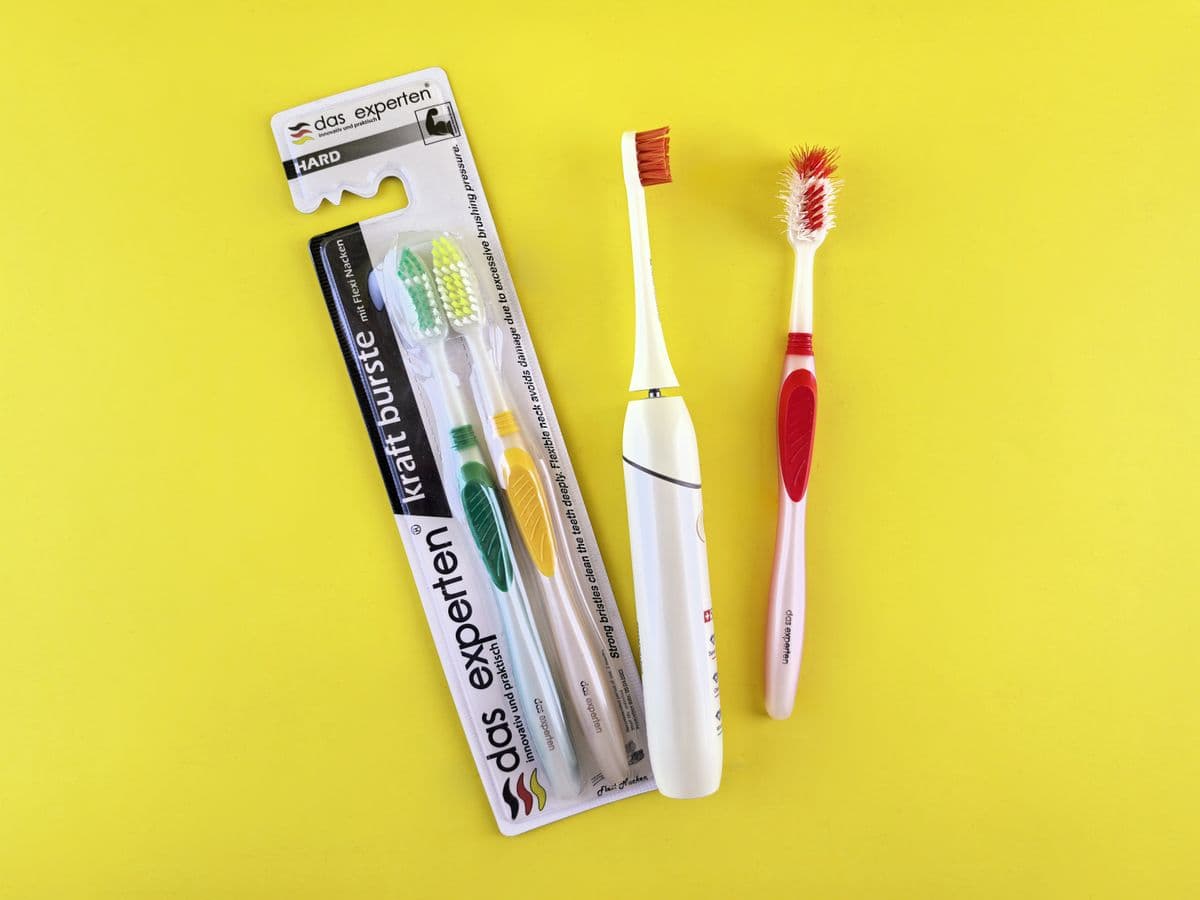
Brushing your teeth seems simple enough, but research consistently shows that most adults brush for less than the recommended two minutes, press too hard, and miss the same spots appointment after appointment. The encouraging part is that fixing these habits costs you nothing and can dramatically improve your oral health. Whether you reach for a manual brush or an electric one, what matters most is technique, consistency, and gentleness. Let us walk through how to get the most out of whichever brush you prefer.
The Right Way to Use a Manual Toothbrush
For manual brush users, the modified Bass technique is considered the gold standard by dental professionals. Hold your brush at a 45 degree angle to the gum line, with the bristle tips pointing toward the spot where the tooth meets the gum. Use short, gentle, vibrating strokes about half a tooth wide rather than long sweeping scrubs. That angle lets the bristle tips clean just beneath the gum margin, which is exactly where plaque gathers and causes both cavities and gum disease.
Work through your mouth in a consistent order so you do not skip areas. Many people do the outer surfaces of the top teeth, then the top inner surfaces, then the chewing surfaces, and repeat the pattern on the bottom. Do not forget the inner surfaces behind your front teeth, where you may need to tilt the brush vertically, and the back surface of your rearmost molars, which is easy to neglect. Two full minutes feels longer than you expect, so a timer or a song helps.
Why Electric Toothbrushes Often Win
Electric toothbrushes, particularly oscillating and rotating models and sonic brushes, have been shown in multiple clinical studies to remove more plaque than manual brushing for most people. The advantage is not really raw motor power, it is consistency. An electric brush delivers thousands of strokes per minute, which evens out the natural variation in how any one person brushes from day to day and tooth to tooth.
For patients with arthritis, limited dexterity, braces, or dental implants, an electric brush can be a genuine game changer, because it does much of the fine motion for you. Children and teens who tend to rush through brushing often do better with one too, especially models with built in timers. None of this means a manual brush cannot do an excellent job. A manual brush used well beats an electric brush used carelessly every time. But for many households, the electric brush quietly raises the floor on everyone's technique.
How to Use an Electric Brush Correctly
The technique for an electric brush is different from a manual one, and using it like a manual brush wastes much of its benefit. Do not scrub back and forth. Instead, guide the brush head slowly from one tooth to the next, pausing about three seconds on each surface, outer, inner, and chewing, before moving on. Let the brush do the work and apply only light pressure, just enough for the bristles to contact each tooth and reach slightly under the gum line.
Many quality models include pressure sensors that warn you when you bear down too hard, two minute timers, and quadrant pacers that buzz every 30 seconds to prompt you to move to the next section of your mouth. These small features take the guesswork out of brushing well, which is the whole point.
Common Mistakes That Damage Enamel
No matter which brush you use, a few habits do real harm over time. Brushing too hard wears down enamel and pushes the gums to recede, exposing the sensitive root surfaces underneath. Reaching for a firm or hard bristled brush makes this worse, so always choose soft bristles. If you find yourself flattening the bristles against your teeth, you are pressing far too hard. A good rule is to hold the brush the way you would hold a pencil, not a fist.
Timing matters too. Brushing right after acidic foods or drinks, things like citrus, soda, coffee, or wine, catches your enamel while the acid has temporarily softened it, so you end up scrubbing away the surface. Wait at least 30 minutes after eating something acidic before you brush, and rinse with water in the meantime. Brushing only once a day, or rushing through in 30 seconds, leaves plaque behind to harden into tartar that only a professional cleaning can remove.
Keep the Tools and Routine Fresh
Replace your toothbrush or brush head every three to four months, or sooner if the bristles look frayed or splayed. A worn out brush removes far less plaque than a fresh one, so an old brush is quietly working against you. After an illness, swapping the head is a smart move as well.
Do not forget your tongue. Bacteria on the tongue surface contribute to bad breath and can recontaminate your teeth right after you brush. A few gentle back to front strokes with your brush or a dedicated tongue scraper make a noticeable difference. And remember that brushing handles only part of the job. Floss or another between teeth cleaner reaches the surfaces a brush simply cannot, and the two together are what truly protect you between visits.
We Are Glad to Help You Dial It In
Here in Harrisonburg, we see patients across every stage of life, from college students setting up their first real routine to longtime Rockingham County families managing braces and growing kids. Brushing technique is one of the easiest, most affordable things you can improve, and small corrections add up to fewer cavities, healthier gums, and shorter, easier cleaning appointments.
At your next visit to our Medical Avenue office, ask our hygiene team to watch you brush and offer pointers. We can show you exactly where you are missing, suggest the right brush for your hands and your mouth, and tailor a routine that actually fits your day. Dr. Kevin Hu and our team would be happy to help you get more out of the two minutes you already spend. Reach out whenever you have a question, and we will help you make every brushstroke count.