HarrisonburgDentist

In-House CBCT Imaging

Get Your Missing Teeth Back, Here in Harrisonburg

Dental implants are the closest thing to having your natural teeth again, and you can have yours planned and placed right here. Our in-house Carestream CBCT scanner lets us do it all in one office, no outside referrals and no extra trips across the Valley.

Investment range: $1,500 to $6,000 per implant (varies by case complexity and restoration type)

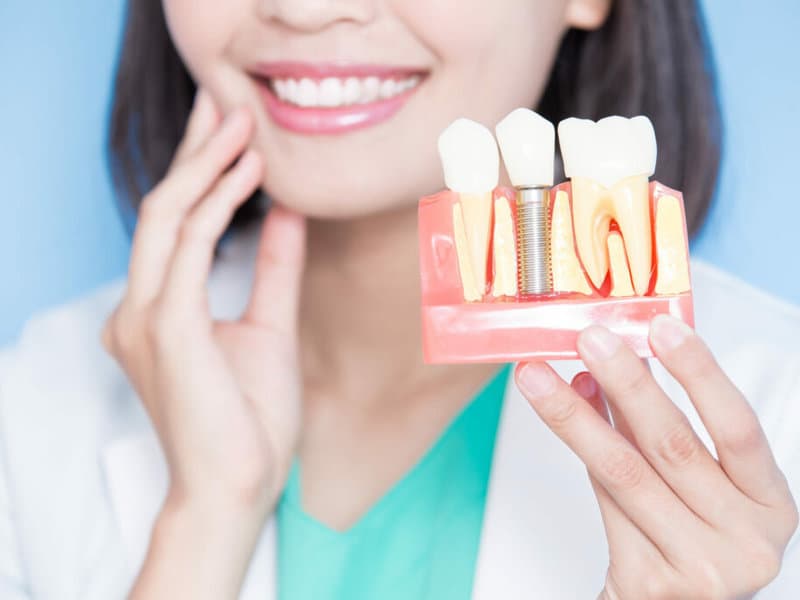
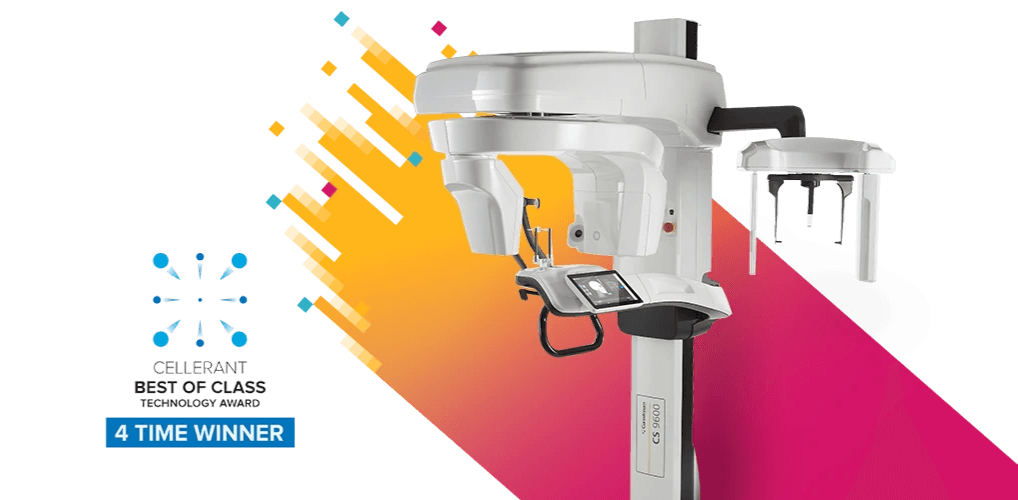
Dental implant model showing titanium post, abutment, and porcelain crownCarestream CBCT cone beam scanner at Harrisonburg Dentist

What a Dental Implant Actually Is

A dental implant replaces a missing tooth from the root up. Instead of resting something on top of your gums, we place a small titanium post into your jawbone, where it serves as a new, permanent tooth root. Over a few months the bone grows snugly around that post, a natural process called osseointegration, which simply means the bone bonds to the implant and holds it as firmly as it once held your own tooth. A connector and a custom porcelain crown then go on top, shade-matched to blend in with the teeth around it. The finished result looks like a natural tooth and lets you bite, chew, and smile without a second thought.

Why Replacing a Missing Tooth Matters

A gap is more than a cosmetic concern. When a tooth is gone, the jawbone underneath it slowly shrinks because it no longer gets the gentle stimulation of chewing, and the neighboring teeth can begin to drift, tilt, or over-erupt into the empty space. That drift can change your bite and make cleaning harder, which raises the risk of decay and gum problems on otherwise healthy teeth. An implant is the only tooth-replacement option that puts a root back into the bone, so it preserves that bone and keeps your other teeth in their proper places. It is the closest thing modern dentistry has to giving you your natural tooth back.

Who Is a Good Candidate?

Most healthy adults who are missing one or more teeth are candidates for implants. The main thing we check is whether you have enough healthy jawbone to anchor the post, which your 3D CBCT scan shows us clearly. If a spot has lost some bone over the years, a bone graft can often rebuild the foundation first. We also talk through your overall health, since well-controlled medical conditions and good gum health both support successful healing. Dr. James Willis will give you a straight answer about whether implants are right for you at your consultation, here in Harrisonburg.

Step by Step

The Implant Procedure, Step by Step

1

Consultation & CBCT Imaging

Your implant journey begins with a comprehensive evaluation, including a scan from our in-house Carestream CBCT scanner (a 3D X-ray that shows your jaw in detail). It maps your bone, nerve pathways, and sinus position, so we can plan your implant precisely and you can have it all done here in Harrisonburg, with no outside referral and no extra trips across the Valley.

2

Implant Placement

Following your custom plan, we place a small titanium post (the new root for your tooth) into your jawbone at the exact angle and depth your 3D scan mapped out. We numb the area thoroughly first, and most patients tell us it was far easier than they expected. You leave with a temporary tooth in place, so your smile looks complete while everything heals.

3

Healing & Bonding to the Bone

Over the next three to six months, your implant naturally fuses with your jawbone, a process called osseointegration that simply means the bone grows snugly around the post. This gives you a rock-solid foundation that works like a natural tooth root. You will stop in for a few brief check-ups so we can make sure your healing is right on track.

4

Your New Tooth Goes On

Once your implant is fully fused, we attach a small connector called an abutment and then place a porcelain crown, shade-matched and shaped to blend right in with your other teeth. The result looks, feels, and works like a natural tooth, so you can eat what you love and smile freely again.

Side by Side

Dental Implants vs. Dentures

FeatureDental ImplantsTraditional Dentures
LongevityLifetime (with care)5-10 years before replacement
Bone PreservationStimulates jawbone, prevents bone lossDoes not prevent bone loss
StabilityFixed permanently, no slippingMay slip or shift, adhesive needed
DietEat anything, steaks, apples, corn on the cobRestrictions on hard and sticky foods
Adjacent TeethNo impact on neighboring teethPartial dentures may stress adjacent teeth
MaintenanceBrush and floss like natural teethRemove, soak, and clean daily
ComfortFeels like your own toothAdjustment period, possible sore spots

Investment & Financing

Understanding Implant Costs

What you invest depends on how many implants you need, whether you need a bone graft first, and the kind of final tooth you choose (a single crown, a bridge, or an implant-supported denture). At Harrisonburg Dentist, most single-tooth implants fall in the $1,500 to $6,000 range. You can use your dental insurance, spread the cost over CareCredit financing with 0% interest plans, and you will always have a clear estimate before anything begins, so there are no surprises. Our Virginia Dental Club membership is also available for uninsured patients.

Good to Know

Common Questions

What exactly is a dental implant?

A dental implant is a small titanium post that replaces a missing tooth root. Set into your jawbone, the bone grows snugly around it over a few months. A connector and porcelain crown then go on top, giving you a replacement tooth that looks and works like a natural one.

Does getting a dental implant hurt?

We numb the area thoroughly first, and most patients tell us placement was far easier than expected, often easier than having a tooth removed. Mild soreness for a few days is normal and settles with over-the-counter pain relievers. We work at an unhurried pace and explain each step.

How long do dental implants last?

With good daily care and regular checkups, the implant post itself can last a lifetime. The porcelain crown on top lasts many years and can be replaced on its own if it ever wears, without disturbing the implant beneath. Brushing, flossing, and cleanings protect your investment.

Will my insurance help pay for an implant?

Many dental plans cover part of implant treatment, and coverage varies by policy. We are glad to review your benefits and give you a clear written estimate before anything begins. You can also use CareCredit financing or our Virginia Dental Club membership if you are uninsured.

Do you really do everything in-house, or will I be referred out?

Everything happens right here on Medical Avenue. Our in-house Carestream CBCT scanner lets Dr. James Willis plan and place your implant in the same office, with no outside referral and no extra trips. From the first scan to your final crown, your care stays in one place.

Find Out If Dental Implants Are Right for You

Come in for an implant consultation at our Harrisonburg office on Medical Avenue. We will review your 3D scans with you, talk through your options, and give you a clear cost estimate, no surprises and no pressure.