
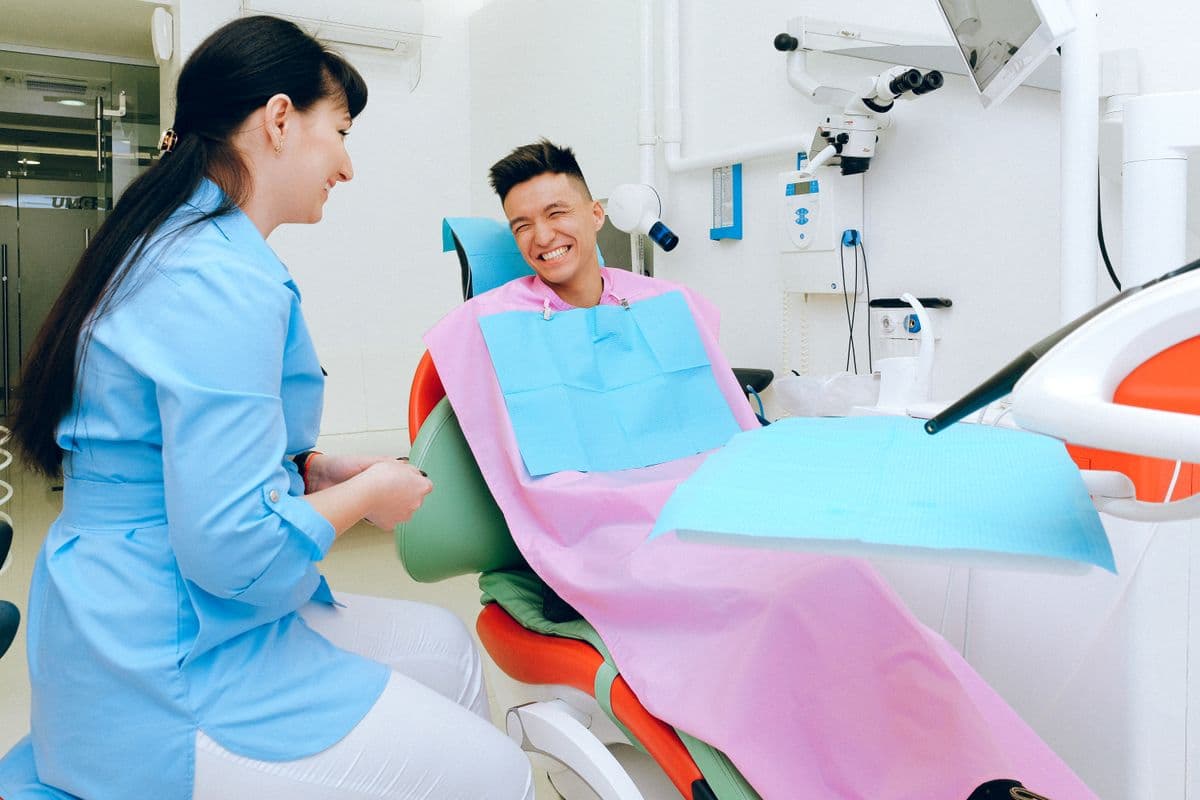
Dental anxiety affects an estimated 36 percent of the population, with approximately 12 percent experiencing extreme fear that qualifies as a dental phobia. If your stomach tightens at the thought of a cleaning, you are far from alone, and there is nothing to be embarrassed about. This fear can lead patients to avoid necessary care, resulting in worsening oral health conditions that ultimately require more involved treatment. Understanding that dental anxiety is both common and manageable is the first step toward breaking this cycle, and the second step is finding a team that genuinely listens.
Where Dental Anxiety Comes From
The roots of dental anxiety vary widely. Some patients had a difficult childhood experience, an uncomfortable procedure, an unsympathetic provider, or even just the unfamiliar sounds and smells of a dental office. Others develop anxiety as adults, triggered by a hard extraction, sensitivity issues, or the feeling of losing control while reclined in the chair. A significant number of people simply have a lower discomfort threshold or a strong gag reflex that makes routine procedures feel overwhelming. Whatever the source, your anxiety is real and valid, and naming it out loud is often the beginning of moving past it.
Communication Is the Foundation of Comfort
Modern gentle dentistry incorporates a range of techniques designed to put anxious patients at ease, and the most important one costs nothing: honest, ongoing communication. A good dental team will explain every step of a procedure before it happens, offer frequent check-ins, and establish a hand-signal system so you can pause treatment at any time. Knowing you can stop whenever you need to gives you back a sense of control, and that single change often makes the whole appointment feel manageable. When you understand what is happening and why, the unknown stops being scary.
Comfort Amenities That Help
Small touches can transform the clinical environment into something far more welcoming. Noise-canceling headphones let you tune out the sounds that tend to trigger anxiety. A weighted blanket can feel grounding and calming in the chair. Bringing your own music or a podcast gives your mind something familiar to focus on. None of these things change the dentistry itself, but they change the experience of it, and for many anxious patients that makes all the difference.
Behavioral Techniques You Can Use
Behavioral techniques also play an important role, and you can practice several of them on your own. Deep breathing, where you inhale slowly through the nose and exhale even more slowly through the mouth, calms the nervous system within a minute or two. Progressive muscle relaxation, tensing and then releasing each muscle group from your feet upward, releases the physical tension anxiety creates. Guided imagery, picturing yourself somewhere peaceful like a quiet trail in the Shenandoah Valley, gives your mind a place to rest. Some patients benefit from scheduling shorter appointments so they can build trust gradually, while others prefer to handle everything in a single longer session with plenty of breaks.
Our Approach for Anxious Patients
For patients with more significant anxiety, a few simple things make a real difference. We move at a pace that feels right for you, explain each step before it happens, and agree on a clear stop signal so you stay in control the whole time. Gentle, thorough numbing keeps the procedure comfortable, and we are glad to schedule extra time so nothing ever feels rushed. We never lecture, never shame, and never push you to do more in one visit than you are ready for. If all you can manage on your first appointment is sitting in the chair and getting to know us, that counts as progress, and we will build from there.
Tips for Your First Visit Back
If it has been a while, a few small steps can make returning easier. Schedule a morning appointment so you are not anticipating it all day. Bring a trusted friend or family member to the waiting room. Avoid caffeine beforehand, since it can heighten the jittery feeling. Arrive a few minutes early so you are not rushing in stressed. And most importantly, tell us about your anxiety when you book, so we can plan the visit around your comfort from the very start. There is no detail too small to mention.
Common Questions About Dental Anxiety
Will you judge me for avoiding the dentist? Never. We see patients every week who have put off care, and our only goal is to help you move forward from where you are today. Can I take breaks during a procedure? Absolutely, and that is exactly what the hand signal is for. What if I cannot get numb easily? Let us know, because numbing technique can be adjusted, and we take the time to make sure you are fully comfortable before we begin. Is it normal to cry or feel shaky? Yes, anxiety shows up in many ways, and we will simply slow down and give you the space you need.
You Are Welcome Here
The key is finding a dental practice that takes your concerns seriously and works with you to develop a personalized comfort plan. Dr. Kevin Hu and our Harrisonburg team are committed to making every patient feel truly welcome at our Medical Avenue office, whether you are a college student, a retiree, a nervous child, or someone who has avoided the dentist for years. Overcoming dental anxiety is a journey, and we would be honored to walk it with you at a pace that feels right. When you are ready, reach out, and we will take good care of you.