
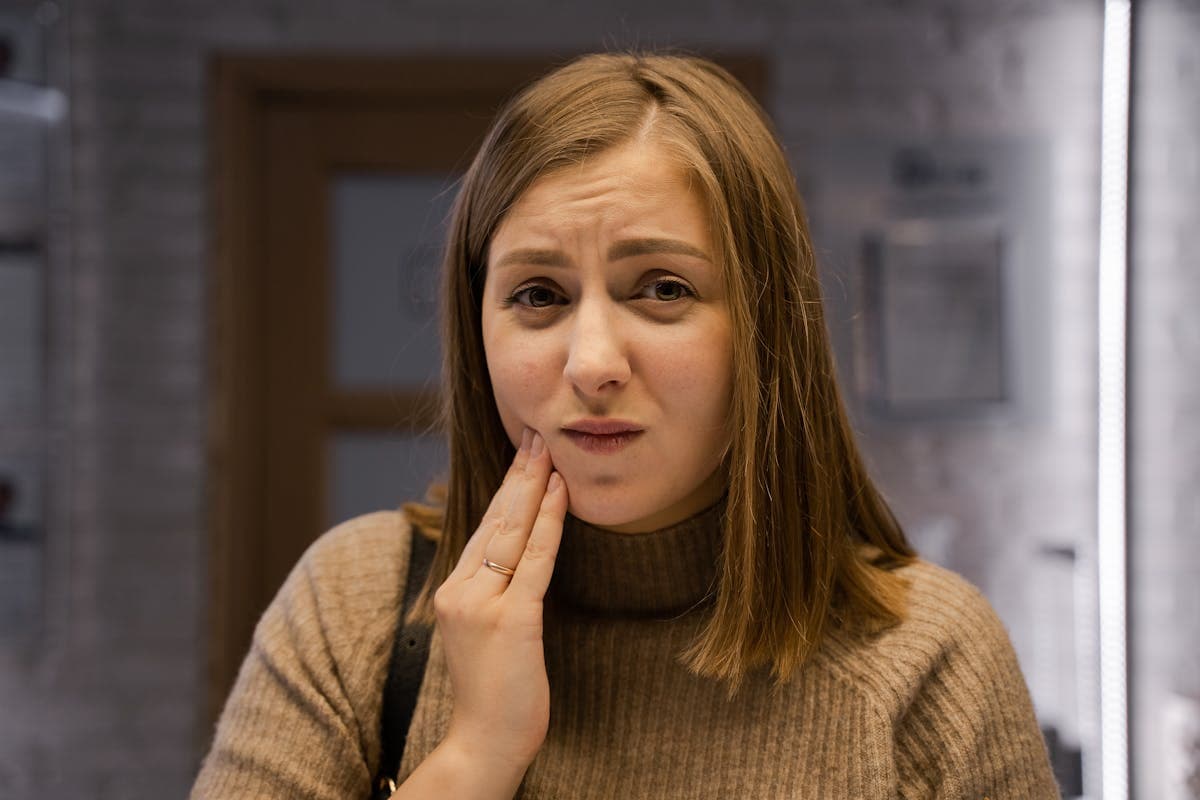
Tooth pain ranges from a mild, fleeting sensitivity to an excruciating, throbbing ache that dominates your entire day. Understanding which symptoms warrant an emergency appointment and which can safely wait for a scheduled visit helps you respond appropriately and avoid both unnecessary panic and dangerous delays. The goal of this guide is to help you read your own warning signs with confidence, so that when something feels wrong you already know whether to call us right away or simply book your next visit.
It helps to remember that pain is information. Your teeth and gums are densely supplied with nerves, and that sensitivity exists to protect you. When a tooth hurts, your body is telling you that something has changed. Most of the time the message is minor and manageable. Occasionally it is urgent. Learning to tell the two apart is one of the most useful pieces of dental knowledge you can carry.
Severe, Throbbing Pain That Will Not Quit
A persistent, severe toothache that does not respond to over-the-counter pain medication is the most common reason patients seek emergency dental care. This type of pain often indicates an infection that has reached the dental pulp, the living tissue inside the tooth containing nerves and blood vessels. Pulp infections, called pulpitis, can be reversible if caught early, but irreversible pulpitis requires root canal therapy to save the tooth. Left untreated, the infection can spread to the surrounding bone and soft tissue, forming an abscess.
A useful rule of thumb: pain that wakes you up at night, pain that builds rather than fades, and pain that no longer responds to ibuprofen or acetaminophen all point toward a problem that needs professional attention soon rather than later. If you find yourself rearranging your day around the ache, that is a signal worth acting on.
Dental Abscesses Are Genuine Emergencies
Dental abscesses are true emergencies. Signs include severe, constant pain that may radiate to the jaw, ear, or neck; swelling of the face, cheek, or lymph nodes; fever; and a foul taste in the mouth from draining pus. An abscess means infection has collected in a pocket, and that infection wants to spread. The body is doing its best to wall it off, but it needs help.
If you experience swelling that is closing your eye, spreading down your neck, or making it difficult to breathe or swallow, go to the emergency room immediately. This indicates a spreading infection that can become life-threatening if it compromises your airway. Sentara RMH Medical Center here in Harrisonburg has an emergency department equipped to stabilize you, and from there we can coordinate the dental follow-up. Do not wait to "see if it gets better" when swelling is moving toward your eye or throat.
Trauma to the Teeth
Trauma to the teeth, whether from a fall, a sports injury, a car accident, or biting something unexpectedly hard, requires prompt evaluation even when pain is minimal. A tooth that looks intact may have a hidden root fracture that worsens over time. A tooth that is loose or displaced needs to be repositioned and stabilized within hours for the best chance of survival.
A knocked-out permanent tooth is the most time-sensitive of all. The best chance of saving it comes within the first 30 minutes. Pick the tooth up by the crown, never the root, rinse it gently if it is dirty, and try to place it back in the socket. If that is not possible, keep it moist in milk or a tooth-preservation solution and call us on your way in. The cells on the root surface stay viable for only a short window, so minutes genuinely matter.
Sensitivity: Usually Not an Emergency
Temperature sensitivity, while uncomfortable, is usually not an emergency. Brief sensitivity to hot or cold foods that resolves within a few seconds typically points to minor enamel wear, gum recession, or a small cavity, all of which can be handled at a routine appointment. A sensitivity toothpaste used consistently over a couple of weeks often calms mild cases.
The exception is lingering sensitivity. If a sip of cold water or a bite of something hot triggers pain that persists for 30 seconds or more after the food is gone, that lingering response can indicate the pulp is involved, and it deserves a prompt look.
Pain When You Bite Down
Pain when biting or chewing can signal a cracked tooth, a failing filling or crown, or a gum problem. While not always an emergency, a cracked tooth can worsen quickly if the crack travels below the gum line, which can make the tooth impossible to save. If you hear a crack, feel a sharp new edge with your tongue, or notice that biting pain is steadily getting worse, schedule an appointment within a day or two rather than waiting for your next checkup.
Common Questions We Hear
Should I go to the ER or the dentist? For tooth and gum problems, a dentist is almost always the right call, because the ER can manage pain and infection but cannot fix the tooth itself. The one exception is facial swelling affecting your breathing, swallowing, or vision, or a serious injury involving more than the teeth, in which case the ER comes first.
Can I just take antibiotics? Antibiotics may temporarily quiet an infection, but they do not remove the source. The tooth still needs treatment, or the problem returns, often worse.
Will it cost more to be seen urgently? Addressing a problem early is almost always less involved and less expensive than waiting until it becomes an abscess or until the tooth is lost. Delay tends to raise the stakes.
When You Are Not Sure, Call
Our Harrisonburg office, serving Rockingham County and the surrounding Shenandoah Valley, keeps room in the daily schedule for urgent needs because dental pain does not always wait for a convenient time. Dr. Kevin Hu and our team would rather hear from you and reassure you that something can wait than have you sit at home worrying or, worse, ignore a warning sign that needed quick attention.
If you are unsure whether your situation is an emergency, call us and describe what you are feeling. We will ask the right questions to gauge the urgency and guide you on what to do next, including clear at-home steps to stay comfortable until you can be seen. Never ignore dental pain that is severe, worsening, or paired with swelling or fever. You know your body better than anyone, and when something feels truly off, trusting that instinct and reaching out is always the right move.