
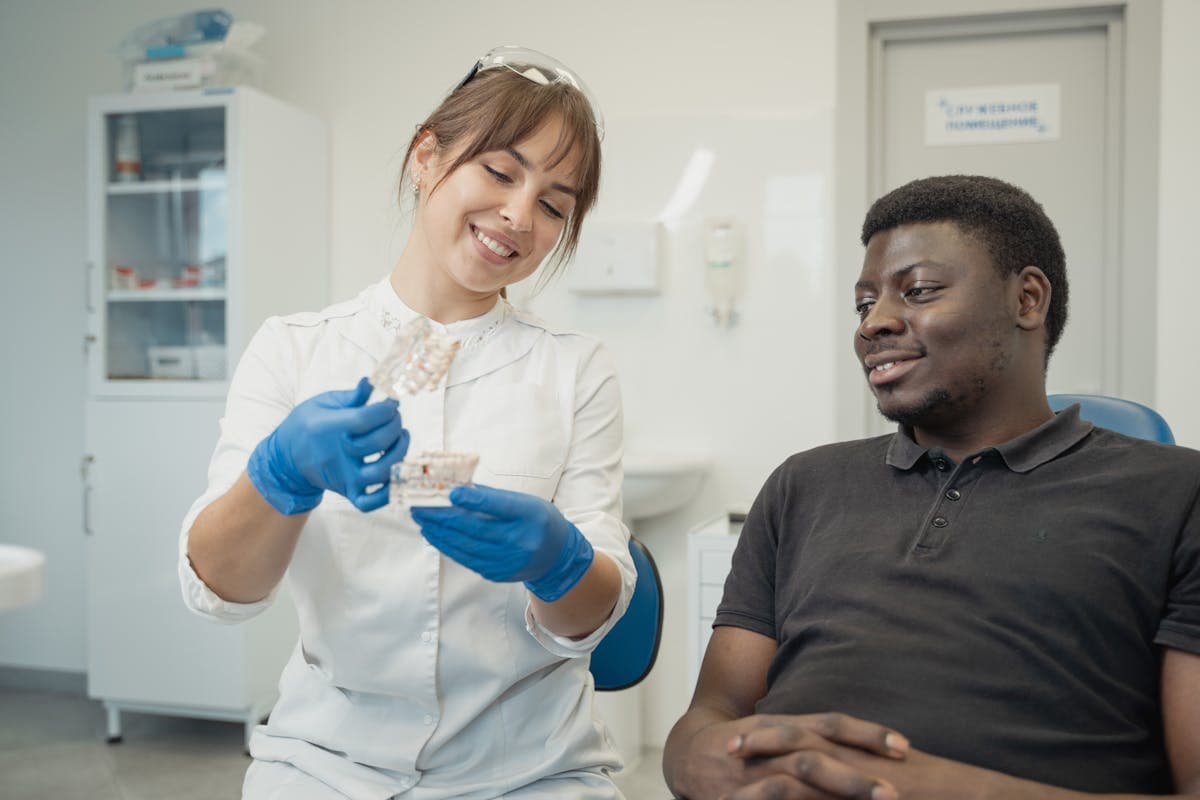
Dental implants are widely regarded as the gold standard for replacing missing teeth. They offer a stable, natural looking solution that preserves jawbone health and restores full chewing power, which is why so many patients choose them over bridges or dentures. What surprises some people is that an implant is not an instant fix. It is a carefully staged process that unfolds over several months, with healing time built in at key points. Understanding the full timeline ahead of time takes the mystery out of it and helps you plan around work, travel, and family life with confidence.
Step One: Evaluation and Planning
The journey begins with a thorough evaluation. We take 3D imaging to see your jaw in detail, review your medical history, and assess the bone density at the site where the implant will go. This planning stage matters more than people realize, because a well placed implant starts with knowing exactly what is happening beneath the gum: where the nerves and sinuses sit, how much bone is available, and how your bite comes together.
If the jawbone has thinned out from prolonged tooth loss, which is common when a tooth has been missing for a while, a bone grafting procedure may be needed first to rebuild a solid foundation. A graft typically needs three to six months to mature before the site is ready to receive an implant. Not everyone needs this step, but when you do, it is what makes the long term result dependable.
Step Two: Implant Placement
Placing the implant is a minor surgical procedure done under local anesthesia. A small titanium post is precisely positioned in the jawbone, where it will act as an artificial tooth root. Each implant usually takes about 30 to 60 minutes to place. We take a gentle, unhurried approach, numb the area completely, and check in with you throughout. If you would like a pause at any point, you simply raise your hand and we stop.
Most patients tell us afterward that it was easier than they expected and quite comparable to having a tooth removed. Mild soreness, a little swelling, and some tenderness for a few days are normal and respond well to over the counter pain relief, ice, and soft foods. You will have specific aftercare instructions, and we are only a phone call away if anything feels off.
Step Three: Osseointegration, the Quiet Healing Phase
The most important stretch comes after placement and happens entirely out of sight. It is called osseointegration, the process by which your jawbone grows around and fuses with the surface of the titanium post. This biological bond is what gives implants their remarkable stability and long life, and it cannot be rushed. It generally takes three to six months.
During this period you go about your normal life. We often place a temporary restoration so you are not without a tooth in a visible spot, and we give you dietary guidance to protect the healing implant, mainly favoring softer foods and chewing on the other side early on. There is no constant discomfort here. Most of this phase is simply waiting while your body does quiet, steady work.
Step Four: Abutment and Final Crown
Once osseointegration is complete and the implant is solidly anchored, we attach a small connector piece called an abutment to the top of the post. The gum tissue needs about two weeks to heal neatly around it. After that, we take impressions, which today are often digital scans, and send them to the lab so your final crown can be custom made.
That permanent crown is crafted to match the color, shape, and size of your natural teeth so it blends in seamlessly, and it is then either cemented or screwed onto the abutment. The day the final restoration goes in is the moment most patients have been waiting for, when the tooth not only looks complete but feels like their own again.
Caring for Your Implant Afterward
Living with an implant is refreshingly straightforward. You care for it exactly like a natural tooth: brush twice a day, clean between your teeth daily, and keep up your regular professional cleanings and checkups. There are no special pastes or removal routines, and there are no dietary restrictions once everything has healed.
With that everyday care, dental implants have a success rate above 95 percent and can last a lifetime. The crown on top may eventually need replacement after 15 to 20 years from normal wear, the same way any restoration does, but the implant post itself is designed to be a permanent part of you. Smoking and uncontrolled diabetes can lower success rates, so we will talk honestly with you about any factors that affect healing and how to give your implant the best odds.
A Few Questions We Hear Often
How long is the whole process from start to finish? For a straightforward case, roughly three to six months, and longer if you need a bone graft first. Will I be without a tooth the whole time? Usually not, since we can provide a temporary for visible areas. Does it hurt? The procedure is done with thorough numbing and most people manage the recovery with over the counter medicine. Is it worth the wait? Patients consistently tell us yes, because an implant restores chewing and confidence in a way that feels permanent.
Your Implant Journey in Harrisonburg
For Harrisonburg and Rockingham County patients, having implant care coordinated under one roof makes the long timeline far easier to manage. Our team handles every phase, from the first 3D scan through the final crown, at our Medical Avenue office, just minutes from Sentara RMH. You are not bounced between offices or left to keep track of the steps on your own. We map out the schedule with you up front so you know what each visit involves and when.
If you are missing a tooth, or living with a bridge or denture that no longer feels right, an implant may be the lasting answer you have been looking for. Dr. Kevin Hu and our restorative team would be glad to evaluate your smile, explain your options in plain language, and lay out a timeline that fits your life. Reach out whenever you are ready, and we will help you take it one comfortable step at a time.