
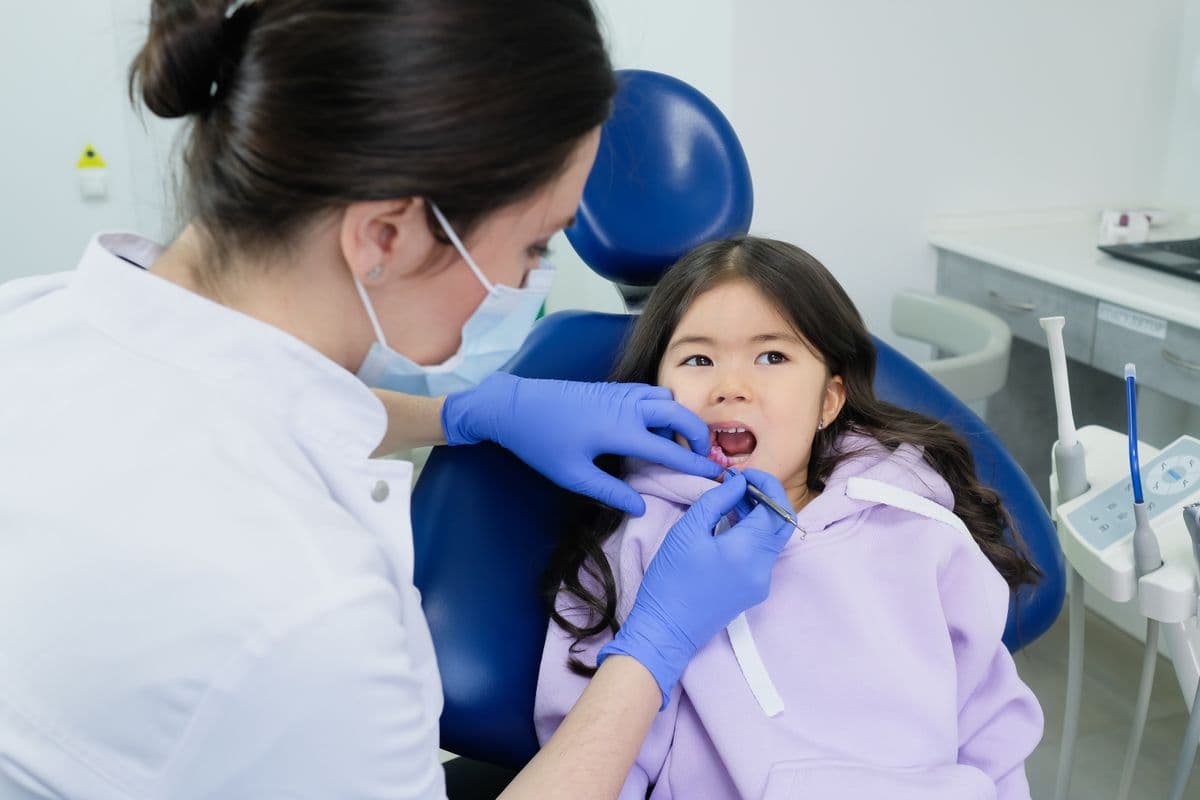
Starting your child's dental care early is one of the best investments you can make in their long-term health, and the good news is that it does not require anything complicated. The American Academy of Pediatric Dentistry recommends that children visit a dentist by their first birthday or within six months of their first tooth erupting. Early visits help establish a dental home, catch developmental issues before they become serious, and build positive associations with oral care. Those qualities matter whether your family lives in Harrisonburg, Bridgewater, Dayton, Broadway, or Elkton, and they set the tone for how your child feels about the dentist for years to come.
Why Baby Teeth Matter More Than People Think
It is a common myth that baby teeth do not count because they eventually fall out. In reality, primary teeth hold space for the permanent teeth growing in beneath them, guide proper jaw development, and play a big role in speech and chewing. When a baby tooth is lost too early to decay, neighboring teeth can drift into the gap and crowd out the adult tooth that was supposed to take its place. Healthy baby teeth also let your child eat a full range of foods and smile with confidence, which is no small thing during the preschool years.
Children's teeth are particularly vulnerable to decay because their enamel is thinner and softer than adult enamel. Sugary snacks, juice, and even milk left on teeth overnight can create the perfect environment for cavity-causing bacteria. One habit worth watching is the bedtime bottle: milk or juice pooling around the teeth through the night is a leading cause of early childhood cavities. Water is always the safest drink to send a little one to sleep with.
Building Good Habits From the First Tooth
Parents should begin wiping their baby's gums with a soft cloth after feedings and transition to a soft-bristled toothbrush as teeth emerge. A rice-grain-sized amount of fluoride toothpaste is appropriate for children under three, increasing to a pea-sized amount after that. Brushing twice a day, especially before bed, makes the biggest difference of any single habit. Young children do not have the coordination to brush thoroughly on their own, so a helpful rule of thumb is that a parent should brush or supervise until the child can tie their own shoes. Flossing becomes important as soon as two teeth touch, since a toothbrush cannot reach between them.
Preventive Care at the Dentist
Fluoride varnish treatments are an excellent preventive measure. Applied during routine checkups, fluoride varnish strengthens enamel and reduces cavity risk by up to 43 percent in primary teeth. The process takes less than a minute and is gentle and comfortable, making it ideal for even the youngest patients. The varnish is simply painted on, and most children barely notice it.
Sealants are another of the most effective preventive measures available for school-age children. Dental sealants are thin protective coatings applied to the chewing surfaces of back teeth, reducing cavity risk by up to 80 percent in the first two years. The grooves on molars are too narrow for bristles to clean fully, so sealing them off keeps food and bacteria out of the spots most likely to develop cavities. Combined with regular checkups, proper brushing technique, and a balanced diet, these simple steps can set your child up for a lifetime of healthy smiles in the Shenandoah Valley and beyond.
How Dental Needs Change as Kids Grow
As children grow, their dental needs evolve. Around age six, permanent molars begin erupting behind the baby teeth, and this is the ideal time for sealant application. Between ages six and twelve, children lose their primary teeth in a predictable sequence, and your dentist can monitor spacing and alignment to determine whether early orthodontic intervention might be beneficial. Catching a crowding or bite issue early sometimes means a simpler, shorter treatment later on.
Teenagers face their own unique challenges, including increased snacking, sports injuries, and the temptation to skip brushing during busy school days. Custom mouthguards for athletes, consistent reinforcement of hygiene habits, and timely wisdom tooth evaluation are all part of comprehensive adolescent dental care. Teens who drink a lot of sports drinks, energy drinks, or soda are especially prone to enamel erosion, so this is a good age to talk honestly about diet and rinsing with water after sugary or acidic drinks.
Making the First Visits Calm and Positive
A child's earliest dental visits should feel friendly, not frightening. Dr. Kevin Hu takes time to let young patients get comfortable, explains each step in simple words before it happens, and keeps the pace relaxed so nothing feels rushed. If a child needs a moment, we pause. Parents can help at home by talking about the dentist in a positive way, reading picture books about dental visits, and avoiding words like "shot" or "hurt." A calm parent usually means a calm child.
Common Questions Valley Parents Ask
When should the first visit happen? By the first birthday, or within six months of the first tooth. How often should children come in? Every six months for most kids, the same as adults. Is fluoride safe? Yes, in the small amounts used in toothpaste and varnish it is both safe and one of the best tools we have against cavities. What if my child is nervous? That is completely normal, and we build trust gradually with short, gentle, well-explained visits.
We Are Here for Your Family
Our Harrisonburg practice works with Valley families at every stage, making preventive care convenient and accessible from our Medical Avenue location near the Sentara RMH corridor. Whether you are scheduling a toddler's very first checkup or a teenager's back-to-school cleaning, we would be glad to welcome you. If you have questions about your child's teeth or want to start building that dental home, reach out to our team anytime. We are always happy to help.